

By the terms «on account», it means that the amount has not yet been paid; and so, it is recorded as a liability of the company. In the next module, you’ll tackle the next six steps of the accounting cycle, from adjusting entries to the final closing of the books. Income and expenses that flow in and out of your bank account are generally straightforward. But recording capital assets, depreciation and loans are a little more tricky. You may be able to get detailed sales data from point-of-sale (POS) or ecommerce systems. For example, some software can help link transaction fees or courier costs to specific transactions which can be handy for working out the true cost of sales.
Income Received in Advance or Unearned Income:
- This process tracks the cumulative effect of transactions and prepares the data for financial statements.
- As you can see there is a heavy focus on financial modeling, finance, Excel, business valuation, budgeting/forecasting, PowerPoint presentations, accounting and business strategy.
- After accountants and management analyze the balances on the unadjusted trial balance, they can then make end of period adjustments like depreciation expense and expense accruals.
- Journalizing in accounting is the system by which all business transactions are recorded for your financial records.
- These transactions are paramount for companies to uphold financial regulations and compliance standards, ensuring accurate and transparent financial reporting.
- Wages expense are the payments to employees that earn hourly wages.
The business was started by Mr A on 19th August 2020 with cash of Rs 1,00,000. Meanwhile loan repayments need to be split into a principal component and an interest component – with each part recorded to different accounts. Owner’s contributions and withdrawals also need to be properly documented.
Introduction to Recording Business Transactions
This system involves recording revenues and expenses when they are incurred, regardless of when the cash actually changes hands. On the other hand, cash basis accounting records transactions only when money physically exchanges hands. Prepaid Insurance is the amount of insurance premium that the company pays in one financial year, and avails its benefit in some other financial year, generally in the upcoming financial year. Prepaid Insurance journal entry is passed to record the amount paid as advance for the insurance.
The Process of Recording, Classifying, Summarizing, and Reporting a Business’s Financial Position

Transaction record in accounting is defined as a business occurrence that has a monetary effect on the financial records of a firm. To fully understand the accounting cycle, it’s important to have a solid understanding of the basic accounting principles. You need to know about revenue recognition (when a company can record sales revenue), the matching principle (matching expenses to revenues), and the accrual principle. For example, if you want to see the changes in cash levels over the course of the business and all their relevant transactions, you would look at the general ledger, which shows all the debits and credits of cash. By using accounts to summarize the hundreds or thousands of transactions that occur each day, accountants turn data into information that can then be used to create the financial statements.
When certain transactions of the same nature happen on the same date, it is preferred to pass a single journal entry instead of passing two or more entries. The double entry system consists of the general ledger, the cash book and the petty cash book. The cash book and the petty cash book are part of the double entry system and record cash coming in and going out.
- These transactions are integral to the functioning of businesses, as they manage the accounts payable and accounts receivable effectively, facilitating smooth operations.
- Provisions journal entry is passed to show the amount set aside by the firm to meet contingencies.
- A prime entry record (or book of prime entry) is where a transaction is first recorded.
- Accounts payable would now have a credit balance of $1,000 ($1,500 initial credit in transaction #5 less $500 debit in the above transaction).
- Business transactions are ordinarily summarized in books called journals and ledgers.
- Contributed capital is the amount given to the company by owners in exchange for shares of stock.
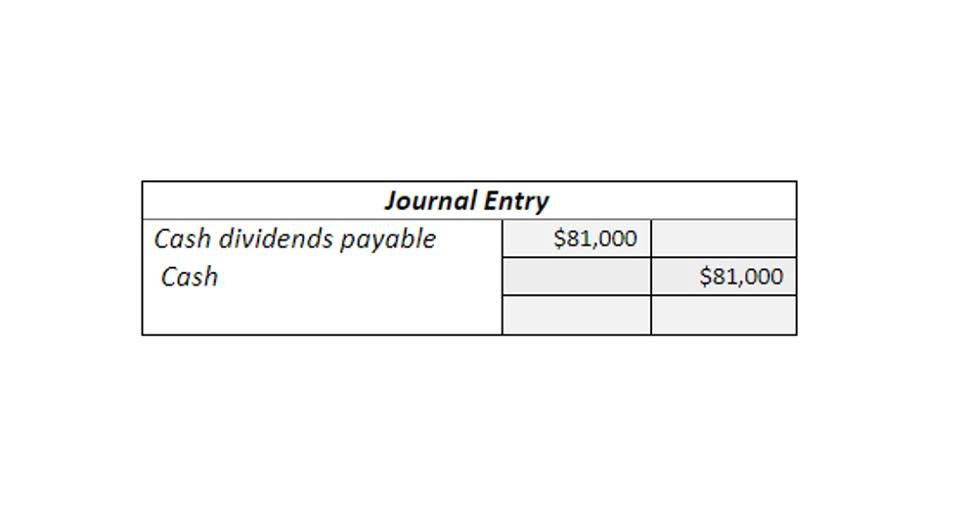
You’d want to record that payment as a journal entry to log the transaction. Each journal entry typically records the date, the account you’re debiting or crediting and a brief description of the transaction that occurred. Inadequate financial oversight due to omitted transactions can hinder the identification of potential risks and opportunities, hampering the organization’s ability to make informed strategic decisions. Therefore, maintaining accurate, complete, and transparent financial reporting practices is essential for ensuring sound financial compliance and informed decision-making. By carefully contra asset account examining financial transactions, businesses can accurately track their financial health and make informed decisions.

The most important rule for a double-entry bookkeeping system is that the total amount on the left-hand side of an account should be equal to the amount https://www.bookstime.com/articles/tax-shield on the right-hand side. In other words, the debt amount should be equal to the credit amount. If this isn’t the case, then the accounts will not tally and will indicate an error in calculation or an error in the recording of transactions. In this module, you’ve learned how to identify and use the basic accounting reporting structure and the books of record and how those things relate to each other, from journal entries to ledger to trial balance. Recording simply means putting your business’s financial transactions into your accounting records.
Phase 2: Making and Posting Adjusting Entries

For example, if Company A purchases a machine from Company B and sees that it is defective, returning it will not entail any cash spent, so it falls under non-cash transactions. In other words, transactions that are not cash or credit recording business transactions are non-cash transactions. They are the most common forms of transactions, which refer to those that are dealt with cash. For example, if a company purchases office supplies and pays for them with cash, a debit card, or a check, then that is a cash transaction.
Analyzing and Recording Transactions
Essentially, it is a huge compilation of all transactions recorded on a specific document or in accounting software. An accounting journal entry is the written record of a business transaction in a double entry accounting system. Every entry contains an equal debit and credit along with the names of the accounts, description of the transaction, and date of the business event. This course covers the basic procedures involved in recording financial entries in Journals and Ledgers. Upon completing this course, you will be able to analyze and record various business transactions.